When Ballina Built for Battle
The Richmond River’s Forgotten Role in WWII
Published by the Ballina Naval & Maritime Museum | April 2026
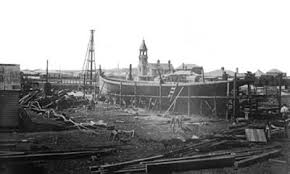
Today, the Richmond River at Ballina is a place of leisure — kayakers paddle past pelicans, fishing boats idle at their moorings, and visitors stroll along the waterfront with gelato in hand. But eighty years ago, this same stretch of river was part of something far more urgent. The Ballina Slipway & Engineering Company, situated on the banks just metres from where our museum now stands, was repairing warships.
Not just Australian vessels. Ships from all three services — the Royal Australian Navy, the Australian Army, and the Royal Australian Air Force — were hauled up the slipway and put back together by local tradesmen. And alongside them, the vessels of the U.S. Army Small Ships fleet.
A Raggle-Taggle Fleet with a Critical Mission
Most Australians have never heard of the U.S. Army Small Ships Section. Formed in mid-1942, headquartered out of the Grace Hotel in Sydney, the unit was born out of necessity. General MacArthur’s forces in the Southwest Pacific needed to move troops, ammunition, and supplies through the shallow, reef-strewn coastal waters of New Guinea — waters too dangerous for large naval vessels, too remote for conventional supply lines.
The solution was unconventional. The Small Ships Section assembled a fleet of fishing trawlers, sailing ketches, plywood landing craft, and whatever else could float and carry cargo. Australian civilians — some as young as fifteen, others as old as seventy — crewed these vessels under contract, running supplies to frontline positions, evacuating the wounded, and navigating uncharted reefs with nothing but a native guide stationed at the bow to spot danger.
These small ships were not glamorous. They were improvised, patched together, and constantly in need of repair. That is where towns like Ballina came in.
The Slipway That Served a War
The Ballina Slipway & Engineering Company had been a working part of the river since the days of Captain Tom Fenwick in the 1870s. By the time war broke out, the slipway had generations of accumulated skill — shipwrights who understood timber and steel, who knew how to work with the river’s tides, and who could repair anything that floated.
During the war years, the slipway became an essential repair facility. Vessels damaged in action or worn down by the punishing conditions of the Pacific campaign were brought to Ballina for overhaul. The work was constant, skilled, and vital. Without facilities like the Ballina slipway — scattered along the NSW coast, far from the front lines but indispensable to the supply chain — the small ships would have broken down faster than they could be replaced.
The slipway’s wartime contribution is part of a broader story about regional Australia’s role in the war effort. While the major shipyards in Sydney, Newcastle, and Brisbane built corvettes and minesweepers at an extraordinary pace — one corvette every twenty-six days — smaller operations like Ballina handled the quieter, unglamorous work of keeping existing vessels operational.
What You Can See at the Museum
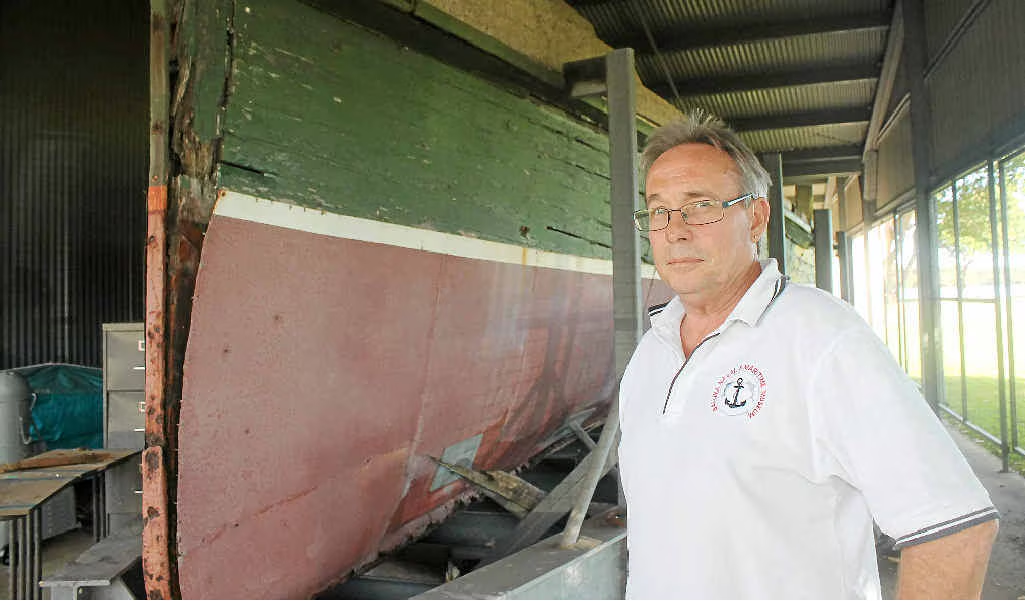
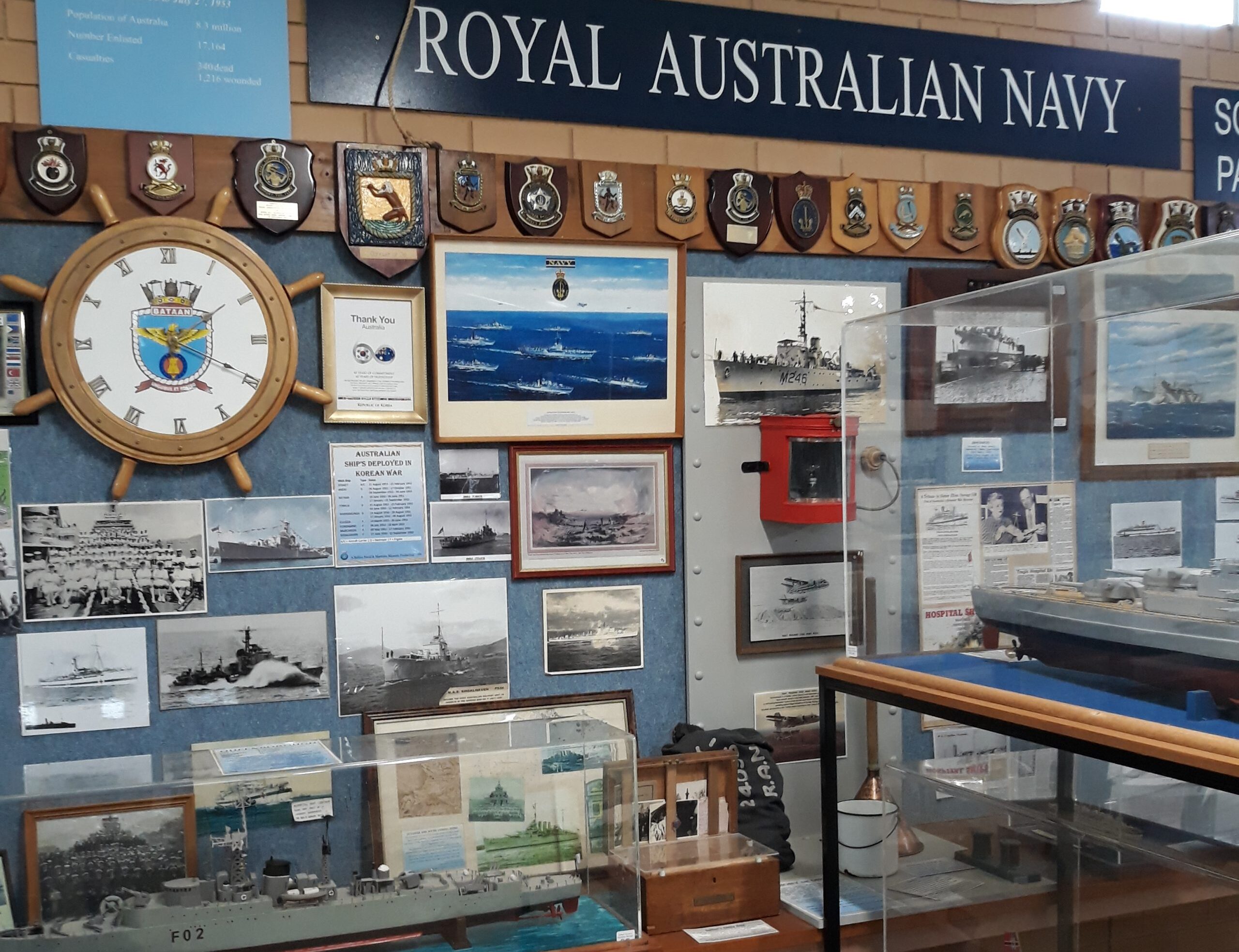
The Ballina Naval & Maritime Museum preserves this history in ways that go beyond display cases. Our collection includes naval uniforms, ship models, a recreated naval mess deck complete with hammocks, and memorabilia contributed by veterans and their families over more than four decades.
Our reference library — over one thousand volumes — contains detailed accounts of wartime operations along the NSW coast, the U.S. Small Ships Section, and the personal histories of local servicemen and women. The museum also holds a dedicated tribute to women who served in the Royal Australian Navy, a story too often overlooked in traditional war histories.
For visitors interested in the physical remnants of Ballina’s maritime past, the museum sits adjacent to the site of the historic slipways. The connection between the river, the town, and the sea is not an abstraction here — it is visible in every direction.
Why This Story Matters Now
Every ANZAC Day, we rightly honour the men and women who served on the front lines. But the war effort extended deep into communities like Ballina — into slipways and workshops, into the hands of tradesmen who may never have left Australian soil but whose work kept the supply lines moving.
The U.S. Army Small Ships Section was formally inducted into the U.S. Army Transportation Corps Hall of Fame in 2010, in recognition of their exceptionally distinctive service during the war. Many of the Australian civilians who crewed those vessels — the teenagers, the retired fishermen, the men deemed too old or too unwell for military service — received no formal recognition at all.
Their story, and the story of the regional facilities that kept them afloat, is preserved in places like the Ballina Naval & Maritime Museum. It is kept alive by volunteers — many of whom have their own maritime or naval experience — who understand that history is not just what happened in the great battles, but what happened in the workshops, on the rivers, and in the towns that held everything together.
The Ballina Naval & Maritime Museum is open seven days a week, 9am to 4pm, at 8 Regatta Avenue, Ballina NSW. Admission is by donation. The museum is staffed entirely by volunteers and is a self-funding not-for-profit organisation.
This ANZAC Day, we invite you to visit and discover the stories of service that began right here on the Richmond River.
This article was researched using the museum’s own archives, historical records of the Port of Ballina, and published accounts of the U.S. Army Small Ships Section in the Southwest Pacific Area. The Ballina Naval & Maritime Museum holds over one thousand reference volumes available for research by appointment.