Red Gold and Rough Seas
How Cedar Made Ballina the Third Busiest Port in New South Wales
Published by the Ballina Naval & Maritime Museum | May 2026
Before the tourists came, before the airport, before the Pacific Highway bypass — before any of it — there was cedar. And it was cedar that turned a remote river settlement into the third busiest port in New South Wales.
That fact surprises most people. Ballina, busier than most ports in the colony? But in the second half of the nineteenth century, the Richmond River was not a scenic backdrop for holidays. It was a commercial artery, and the timber that flowed down it was worth more than gold to the people who cut it, shipped it, and sold it to a hungry empire.
The Timber That Built an Empire
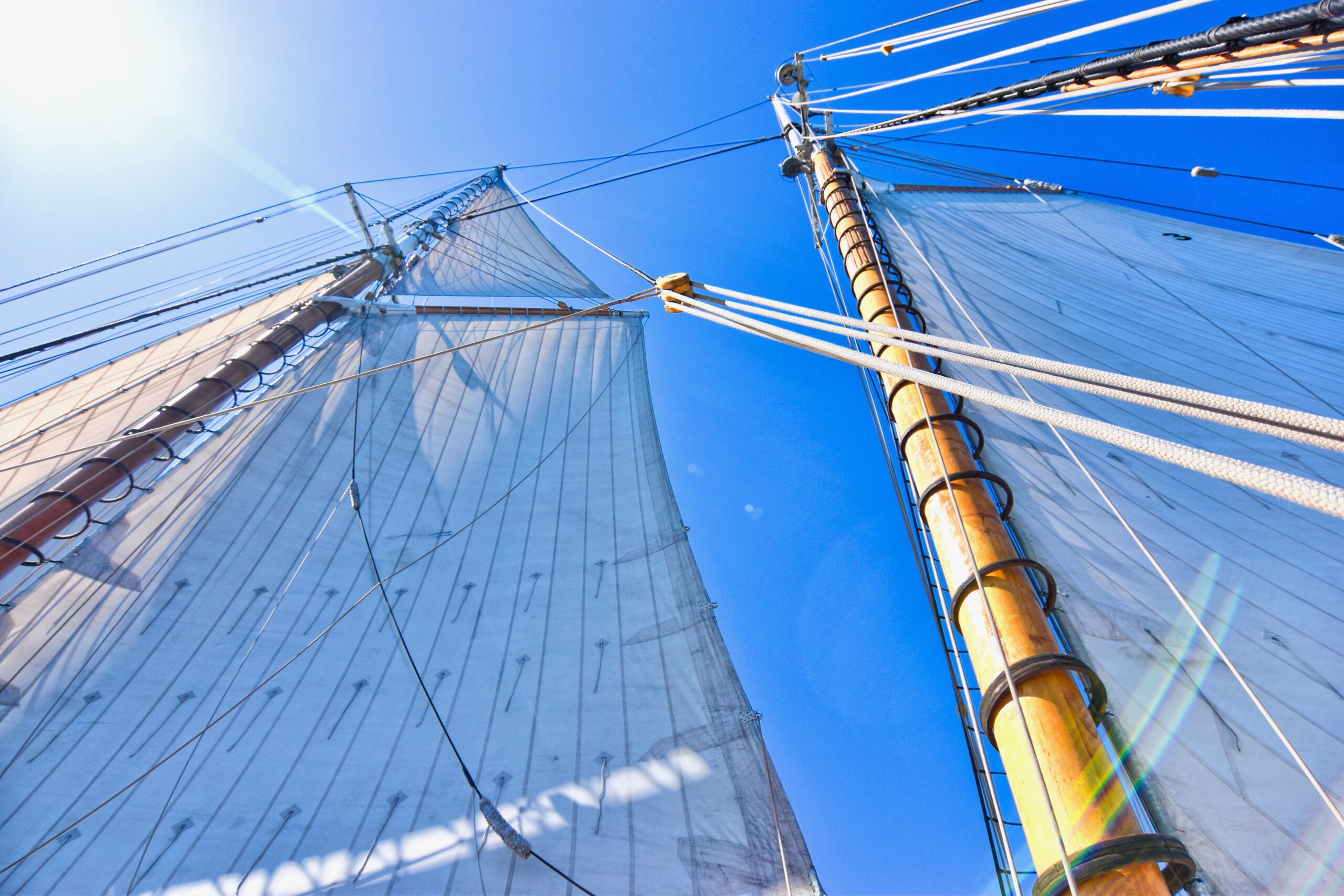
Australian red cedar was the prize. Dense, warm-toned, and beautifully workable, it was the timber of choice for furniture makers in Victorian England. The rapidly growing middle classes wanted cedar sideboards, cedar writing desks, cedar panelling. They could not get enough of it.
By the 1840s, cedar-getters had pushed into every tributary of the Richmond River, setting up rough camps deep in what was then called the Big Scrub — the vast subtropical rainforest that covered the hinterland behind Ballina. The work was brutal. Teams of men felled enormous trees by hand, dragged the logs to the river with bullock teams, and floated them downstream to the port.
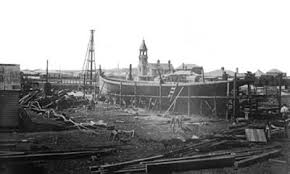
The first boat builder on the Richmond, William Yabsley, arrived in 1843 and began constructing vessels to carry the timber out. By 1847, four regular sailing ships were making the run — bringing supplies and passengers in, and taking timber out.
The scale grew quickly. By 1869, records show that 242 sailing ships and 12 steamships departed Ballina carrying three million super feet of cedar. Delays of up to seventeen days were common just to clear the bar — the shallow, unpredictable stretch of water at the river mouth that wrecked dozens of vessels over the decades.
And then, in 1870, the numbers became extraordinary. Nine million cubic feet of timber was exported from the Port of Ballina in a single year.
Life on the Bar
The Ballina bar was the bottleneck — and the graveyard. Every vessel entering or leaving the Richmond River had to cross it, and the bar showed no mercy. Researcher Mike Richards has documented some eighty-eight vessels that came to grief on the Ballina bar, stretching back to the sloop Northumberland in 1844.
By the 1870s, steam tugs known as drodgers had begun working the bar, offering their services to sailing ships arriving from the open sea. The scene was competitive and colourful. Tug operators would race out as soon as a schooner appeared on the horizon, shouting their sales pitch — “up, down and out” — and haggling over the price. Fifty pounds if the seas were rough, ten if they were calm.
It was into this world that Captain Tom Fenwick arrived in 1874. A Scot of formidable reputation, Fenwick quickly established himself as the dominant operator at the river mouth. He was a man of great courage and seamanship, though his competitors might have used different words. Within a few years, he controlled the bar trade and held a significant share of the river trade as well.
Third Busiest Port in the Colony
By 1880, the transformation was complete. The Big Scrub was being cleared at pace, and the economy had diversified beyond cedar. Dairy produce and sugar cane now joined timber as major exports. The Clarence and Richmond Steam Navigation Company operated eight vessels on the river, including seven paddle wheelers — considered the safest design for crossing the bar.
In terms of ship movements and tonnage, Ballina had become the third largest port in New South Wales. Only Sydney and Newcastle handled more traffic. For a settlement that had numbered barely 571 people just a few years earlier, it was a remarkable achievement — driven entirely by the river, the timber, and the determination of the people who worked both.
A regular river service between Ballina and Lismore ran three times a week, later becoming a daily run. The North Coast Steam Navigation Company, formed in 1905 from the merger of smaller operators, dominated the trade with larger, faster vessels. If you wanted to travel to Ballina in those years, your options were straightforward: travel by sea, or walk.
The River’s Decline
The Richmond River’s reign as a major transport route did not last forever. Roads improved, railways extended, and eventually the dredging service that kept the river navigable was withdrawn by the government. By 1970, the last commercial ships were carrying sugar and timber out of Ballina. The North Coast Steam Navigation Company wharf was demolished. The river returned to quietude.
But the infrastructure of that era — the slipways, the pilot stations, the engineering works — left its mark on the landscape. The Ballina Naval & Maritime Museum sits adjacent to the sites of the historic Fenwick and Ballina slipways, directly connected to the ground where this trade took place.
What Remains
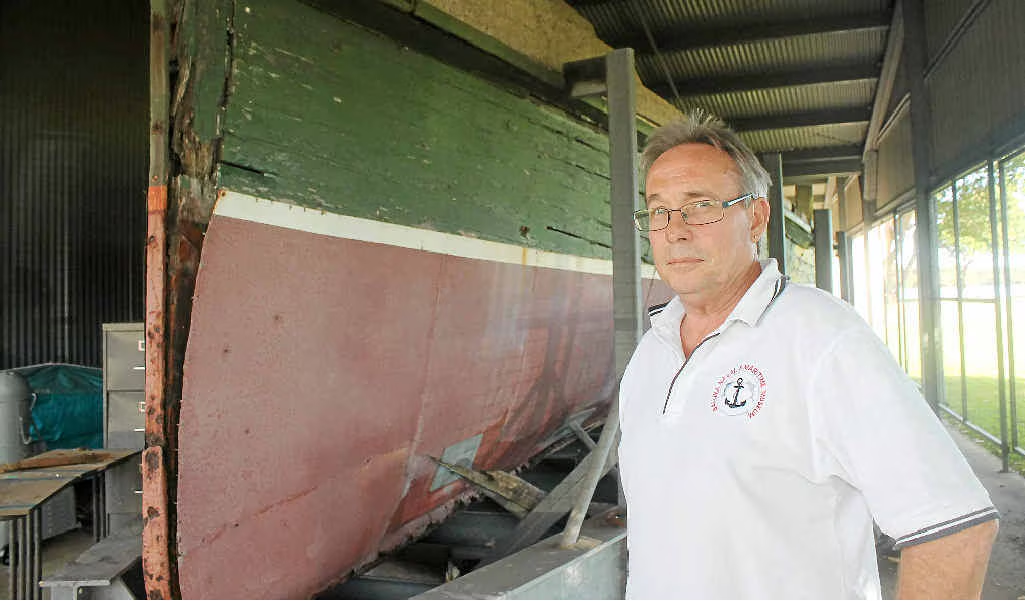
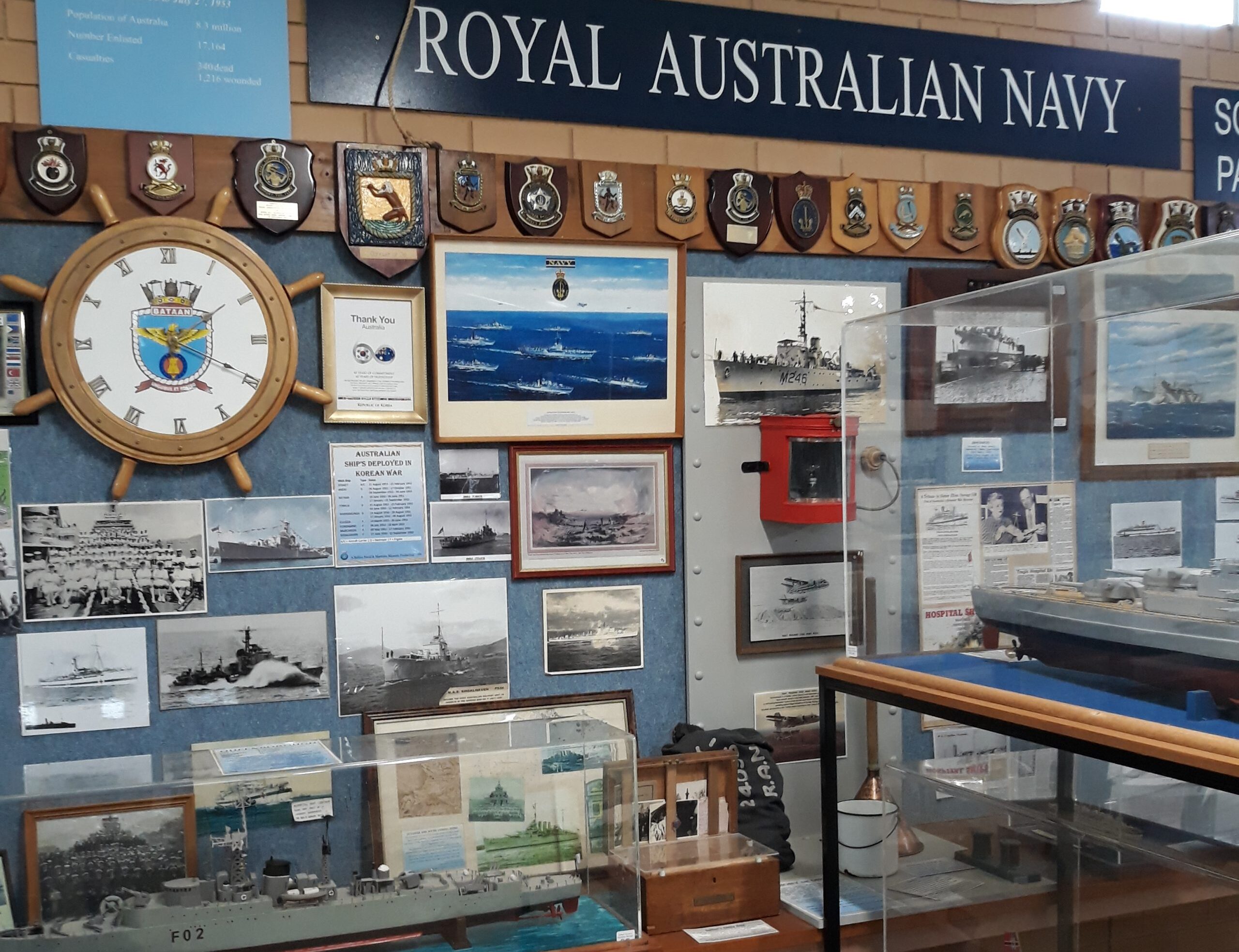
The museum preserves the physical and documentary evidence of this era in ways that the river itself no longer can. Our collection includes the MV Florrie, one of the last surviving river traders, as well as detailed records, photographs, and models of the vessels that worked the Richmond.
Our reference library — over one thousand volumes — contains published and unpublished accounts of the river trade, the cedar industry, the steam navigation companies, and the families who built their lives around the port. Researchers, students, and anyone with a curiosity about how this coast was shaped are welcome to access the collection by appointment.
The story of Ballina’s rise as a port is not a footnote in Australian maritime history. It is a case study in how natural resources, geography, and human tenacity combined to create something extraordinary in a place most people today associate with beaches and fish and chips. The river remembers, even if the highway has moved on.
The Ballina Naval & Maritime Museum is open seven days a week, 9am to 4pm, at 8 Regatta Avenue, Ballina NSW. Admission is by donation. The museum is a self-funding not-for-profit organisation staffed entirely by volunteers.
This article draws on the museum’s own historical timeline, published records of the Port of Ballina, Mike Richards’ study “Shipwreck Heritage of the Richmond River” (1997), and archival records held in the museum’s reference library.