The Remarkable Life of the MV Florrie
Ninety-Five Years on the Richmond
Published by the Ballina Naval & Maritime Museum | April 2026
If ships could talk, the Florrie would have more stories than most people accumulate in a lifetime. Built in the early 1880s, wrecked on the Ballina bar, salvaged by one of the river’s most formidable characters, and then put back to work for another nine decades — the Florrie is not just a museum exhibit. She is the Richmond River’s autobiography, written in timber and iron.
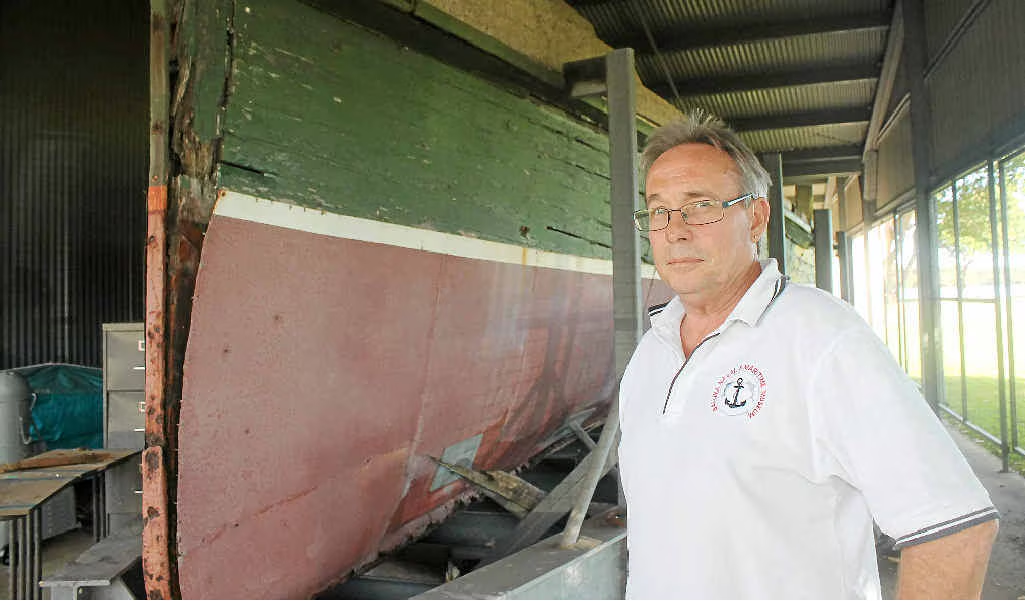
Today, her hull rests under cover at the western end of the Ballina Naval & Maritime Museum, her slender lines still elegant after more than a century. She is one of the last surviving examples of the early steam vessels that once defined life on the rivers of northern New South Wales. And her story begins, as so many Ballina stories do, with the bar.
Wrecked Before Her Story Really Began
The Florrie was built as a small steam vessel for the river trade — carrying cargo and passengers between Ballina and the inland towns that depended on the Richmond River as their highway. In the 1880s, there were no sealed roads, no railway to Ballina, and no reliable alternative to the river. If you wanted to move goods or people, you put them on a boat.
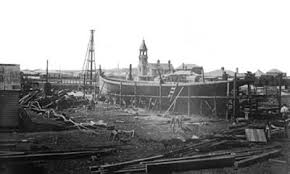
In 1882, heading back to Casino with a full load, the Florrie ran aground on the bar at the junction of North Creek and the Richmond River. The bar — that treacherous, shifting stretch of shallow water where the river meets the sea — had claimed vessels before and would claim many more. The damage was severe enough that her owner, Crouch, sold the wreck.
The buyer was Captain Tom Fenwick.
The Fenwick Years
Tom Fenwick was a Scotsman who had arrived on the Richmond River in 1874 and proceeded to dominate it. He was a man of great seamanship and considerable ruthlessness — a competitor who, by most accounts, was not to be crossed. He built Fenwick House (now the Shaw’s Bay Hotel), ran the bar trade, and left his mark on the river in ways that are still visible today.
Fenwick repaired the damaged Florrie and put her to work as a passenger ferry. For more than twenty years under Fenwick’s ownership, she carried people up and down the river — the same river that had, in the 1880s, made Ballina the third busiest port in New South Wales.
When Fenwick’s estate was settled, the Florrie passed to Charles Jacobsen in 1899, and then to Charles Dorrough in 1902. She was never idle. The river still needed working vessels, and the Florrie, despite her age, was reliable.
From Passengers to Timber to Tugboat
As the twentieth century wore on, the nature of work on the Richmond changed. The great cedar trade that had built Ballina was winding down, but timber of other kinds still needed moving. The Florrie was adapted — she became a workhorse for towing timber along the river.
Later still, she was used as a tug for sand punts. Each new role stripped away a little of her original character — the superstructure changed, the fittings evolved — but the hull remained. That hull, with its characteristic slender lines designed to minimise wash and protect the riverbanks, was too well built to abandon.
The Ballina Slipway eventually became her last commercial owner, replacing her original steam engine with diesel and using her for towing work. By this point, the Florrie had been in continuous service for the better part of a century.
One Last Voyage
In 1974, severe floods devastated Lismore. The Richmond River, which had been the region’s lifeline for over a century, rose once more — this time as a destructive force. Communities were cut off and supplies were desperately needed.
The Florrie was called into service one more time. At nearly a hundred years old, she carried hay, beer kegs, and what were described at the time as “other vital necessities” upriver to help the community recover.
It was one of her last journeys. The following year, in 1975, the Florrie was retired. Her diesel engine was removed, and her working life came to an end.
What She Tells Us Now
In 2006, the Florrie was moved a short distance to a purpose-built shed at the Ballina Naval & Maritime Museum, where she remains today. The original hull is intact — the superstructure, which underwent changes over her long operating life, has been removed. What remains is the skeleton of a vessel that witnessed the transformation of an entire region.
Her hull tells a story about shipbuilding on the Richmond River. The slender, shallow-draught design was not a matter of aesthetics — it was practical. Riverboats on the Richmond needed to cause as little wash and wake as possible to prevent damage to the soft riverbanks. Every line of the Florrie’s hull reflects the engineering knowledge of the men who built her and the demands of the waterway she served.
She is one of fewer than a handful of early river steamers to have survived anywhere in Australia. Most of her contemporaries were broken up, sunk, or simply rotted away in the mud. The Florrie endured because she was useful — and because, at each critical moment, someone decided she was worth saving.
See Her for Yourself
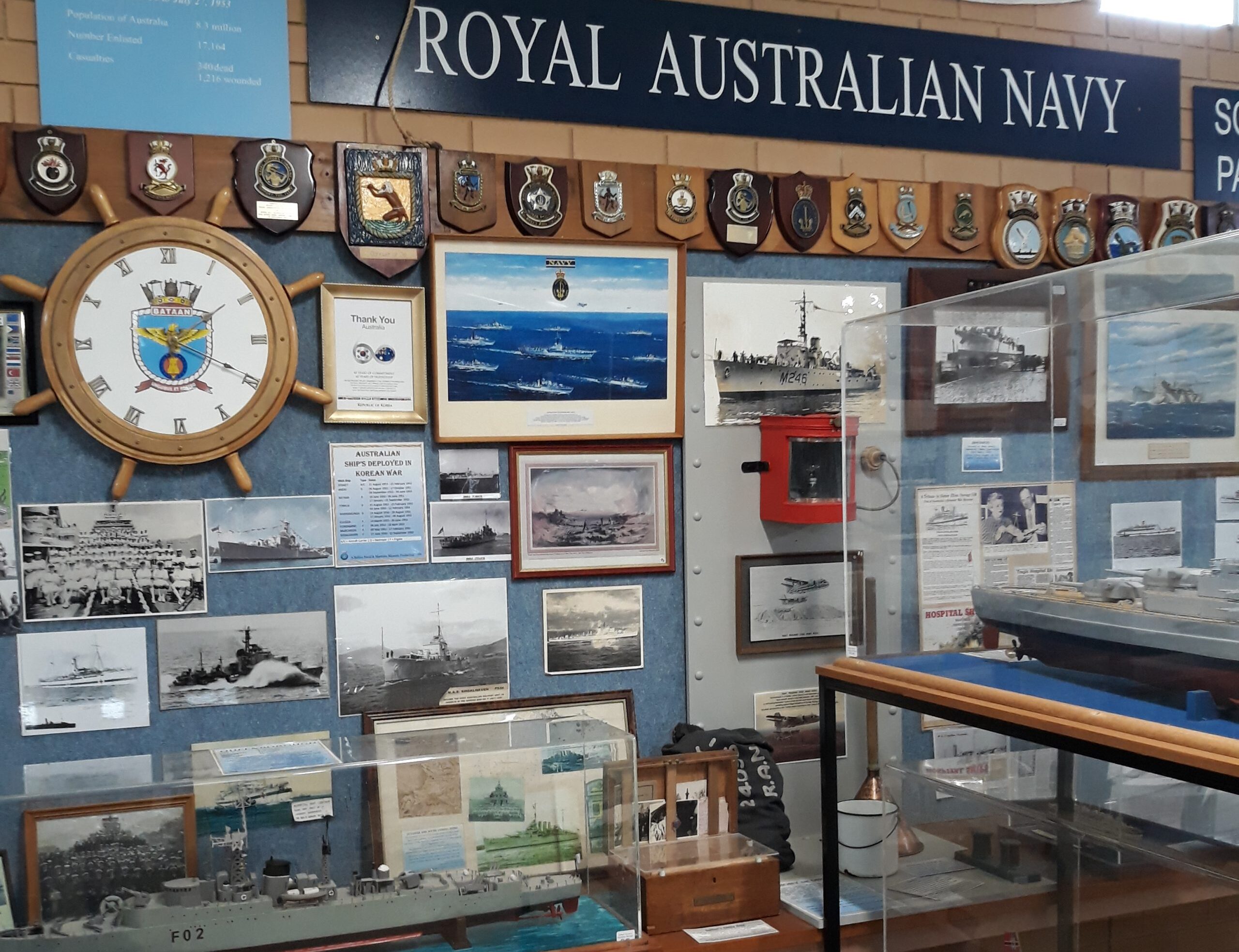
The MV Florrie is on permanent display at the Ballina Naval & Maritime Museum, housed in a dedicated shed at the western end of the grounds. Our volunteer guides — many of whom have personal connections to the river’s maritime history — can share details about her construction, her owners, and the world she operated in.
The museum also holds an extensive reference library of over one thousand volumes, including detailed records of vessels that traded on the Richmond River. Researchers and history enthusiasts are welcome to access the library by appointment.
The Ballina Naval & Maritime Museum is open seven days a week, 9am to 4pm, at 8 Regatta Avenue, Ballina NSW. Admission is by donation. The museum is a self-funding not-for-profit organisation staffed entirely by volunteers.
This article draws on the museum’s own records, the Australian Register of Historic Vessels (ARHV Number: HV000176), and published histories of the Richmond River trade. The Florrie is recognised as a vessel of heritage significance by the Australian Register of Historic Vessels.